
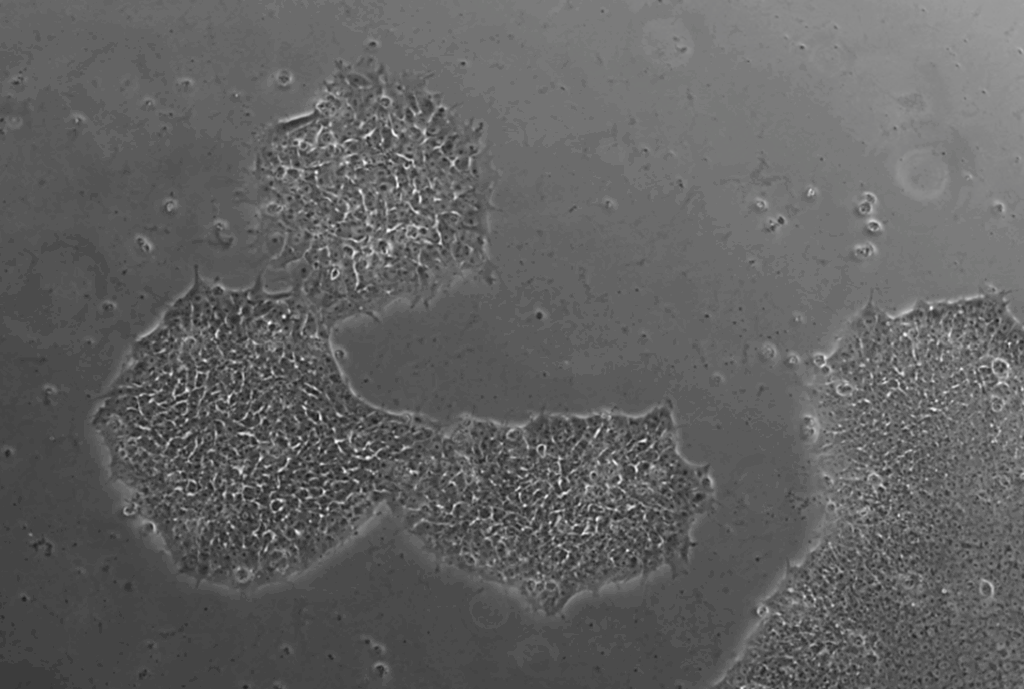
Activin A’s a crucial protein in your body, influencing everything from cell growth to immune responses. It’s essential for regulating inflammation, metabolism, and tissue repair. However, if its levels are dysregulated, it can contribute to diseases like cancer and fibrosis. Understanding the balance of Activin A can help in developing therapeutic strategies. By exploring its various roles further, you can uncover how it impacts health and the potential remedies available.
Understanding Activin A: Structure and Function
Activin A, a crucial member of the transforming growth factor-beta (TGF-β) superfamily, plays a vital role in various biological processes, including cell differentiation and proliferation. Its structure consists of two identical subunits, forming a dimer that interacts with specific receptors on target cells. This interaction initiates signaling cascades that regulate gene expression, ultimately influencing cellular behavior. You’ll find that Activin A’s function extends to the regulation of hormone secretion, immune responses, and tissue repair. Understanding its structural intricacies helps you appreciate how it modulates these diverse biological activities. Additionally, the balance of Activin A levels is critical; dysregulation can lead to pathological conditions, highlighting the need for precise control in experimental applications and therapeutic interventions.
Key Biological Roles of Activin A
The multifaceted roles of Activin A in biological systems underscore its importance in regulating key physiological processes. Primarily, it acts as a potent modulator of inflammation and immune responses, influencing the activation and differentiation of immune cells. Additionally, Activin A plays a crucial role in metabolism, particularly in glucose regulation and fat storage, impacting overall energy homeostasis. Its involvement in tissue repair mechanisms highlights its significance in wound healing and fibrosis. Furthermore, Activin A interacts with various signaling pathways, such as the TGF-β superfamily, affecting cellular responses related to growth and differentiation. By understanding these roles, you can appreciate how Activin A orchestrates vital functions within the body, making it a target for therapeutic interventions in various diseases.
Activin A in Development and Differentiation
Crucial to embryonic development and cellular differentiation, Activin A influences numerous processes that shape organismal growth. It acts as a signaling molecule, regulating gene expression involved in mesoderm formation and organogenesis. By promoting stem cell proliferation and differentiation, it helps establish various tissue types, including muscle and neural tissues. Research indicates that Activin A’s impact extends to influencing cell fate decisions, guiding pluripotent stem cells toward specific lineages. Furthermore, it plays a role in the maintenance of stem cell characteristics while also driving the maturation of differentiated cells. Understanding these mechanisms provides insights into how you can manipulate Activin A concentrations to optimize differentiation protocols in regenerative medicine and developmental biology studies.
The Implications of Activin A in Disease
While many focus on Activin A’s role in development, its implications in disease are equally significant. Elevated levels of Activin A are linked to various conditions, including fibrosis, cancer, and autoimmune disorders. For instance, in pulmonary fibrosis, it drives excessive collagen production, contributing to tissue scarring. In cancer, Activin A can promote tumor growth and metastasis, complicating treatment outcomes. Furthermore, its involvement in inflammation may exacerbate autoimmune diseases by influencing immune responses. Understanding these mechanisms is crucial for developing targeted therapies. By recognizing the dual role of Activin A in both development and disease, you can better appreciate its potential as a biomarker and therapeutic target, paving the way for innovative treatments in affected populations.
Regulatory Mechanisms of Activin A Activity
Understanding the regulatory mechanisms governing Activin A activity is essential for harnessing its potential in both therapeutic and research contexts. Activin A is primarily regulated by its activators and inhibitors, including inhibin and follistatin, which modulate its signaling pathways. The Smad signaling cascade is crucial for mediating Activin A’s effects, influencing cellular responses such as proliferation and differentiation. Additionally, various post-translational modifications, like phosphorylation and ubiquitination, can impact Activin A’s stability and bioavailability. Environmental factors, including cellular context and extracellular matrix components, also play significant roles in regulating its activity. By comprehensively understanding these mechanisms, you can better manipulate Activin A for desired outcomes in your research or clinical applications, optimizing its therapeutic efficacy and minimizing risks.
Therapeutic Applications and Interventions
As researchers explore the therapeutic applications of Activin A, they uncover its potential in various medical fields, including regenerative medicine and cancer therapy. In regenerative medicine, Activin A promotes tissue repair and modulates stem cell differentiation, enhancing healing processes. Additionally, its role in cancer therapy is significant; studies suggest that manipulating Activin A levels can inhibit tumor growth and metastasis. For instance, targeting the Activin A signaling pathway may enhance the efficacy of existing chemotherapies. Moreover, its involvement in immune responses presents opportunities for immunotherapy applications. Overall, leveraging Activin A’s multifaceted roles could lead to innovative treatments, improving outcomes in both regenerative and oncological contexts. These findings underscore the need for further investigation into its therapeutic potential.
Future Directions in Activin A Research
Given the promising therapeutic applications of Activin A, researchers are now focusing on several key areas to further explore its mechanisms and potential benefits. One significant direction is the investigation of its role in modulating immune responses, aiming to enhance treatments for autoimmune diseases. Additionally, studies are delving into Activin A’s function in tissue regeneration and repair, particularly in cardiovascular and neurological contexts. Researchers are also examining its interactions with other growth factors to develop combination therapies that maximize efficacy. Finally, advancements in delivery methods, such as controlled-release technologies, are being explored to improve the stability and bioavailability of Activin A in clinical settings. This multifaceted approach could unlock new avenues for therapeutic interventions and enhance patient outcomes.
Frequently Asked Questions
How Can I Measure Activin a Levels in My Samples?
You can measure Activin A levels in your samples by using enzyme-linked immunosorbent assays (ELISA) or western blotting techniques. These methods provide precise quantification, ensuring accurate results that enhance your research’s reliability and validity.
What Are Common Experimental Models for Studying Activin A?
You’ll often use cell lines, primary cells, and animal models to study Activin A. Each model provides unique insights into its biological functions, signaling pathways, and potential therapeutic applications, enhancing your understanding of its role in various conditions.
Are There Specific Inhibitors for Activin a Activity?
Think of activin A as a double-edged sword; specific inhibitors like SB-431542 and follistatin can effectively blunt its activity. Employing these agents can refine your experiments, yielding clearer insights into its biological roles.
What Are the Storage Conditions for Activin a Reagents?
To ensure stability, you should store Activin A reagents at -20°C or lower. Avoid repeated freeze-thaw cycles, and keep them protected from light. Always check manufacturer guidelines for specific storage recommendations to maintain efficacy.
How Does Activin a Interact With Other Growth Factors?
Activin A interacts synergistically with growth factors like FGF and TGF-beta, enhancing cellular processes such as differentiation and proliferation. Understanding these interactions can optimize your cell culture outcomes and improve experimental results significantly.