

Using a sustained-release growth factor is one of the best practices possible in culturing cells. Unfortunately, there are not many options for sustained-release products. Some of the best options in the market are the StemCultures StemBeads and DISC Devices, which have options for Activin A, BDNF, EGF, FGF2, and GDNF. The problem that arises is that labs and researchers looking to implement the best practices possible are unable to use the best tools as they need other growth factors.
To offer the best possible support to their customers and to help advance research around the globe, StemCultures has continued to innovate and search for new products to offer to the scientific community. Currently, StemCultures is expanding its current line-up of DISC Devices to include growth factors that are already covered by StemBeads, like BDNF and GDNF. StemCultures is also developing completely novel products, with several sustained-release growth factors planned for release in the near future. Developing sustained-release growth factors is the current focus of the pipeline, but additional projects are planned for the future.
Current Pipeline
The current development landscape is broken into three groups. These represent the development status of these potential products and the goals that StemCultures has set.
Group 1
The first group represents growth factors that StemCultures has identified as having potential for development in a sustained-release method. These growth factors are currently being researched further so a smooth development can occur. That said, these products have been identified as being several years away from commercialization but will continue to be researched and eventually developed.
Some specific growth factors in this group include NRG-1, DOX, and GGF-2. While these are useful factors that have numerous applications, feedback from customers and the industry has indicated that other growth factors should be prioritized in their characterization and development. However, if you have a direct need for these products, StemCultures creates custom beads with a 2-6 month lead time.
Group 2
The growth factors that are identified as priorities must be further characterized and tested to find the optimal method to integrate them into the StemBeads technology. Testing includes analyzing bead release rate with ELISAs and other assays as well as the development of standard curves. Rough estimates of the beads’ release rate and concentration are identified and then confirmed in testing.
NGF, VEGF-165, PEDF, PDGF-AB, and CSF-1 are currently being characterized. Other factors have been characterized successfully but not further developed due to time and logistical constraints. These include Shh, BMP-4, and IGF-1. At this point, StemCultures is preparing to bring these new products to the full market.
Group 3
Prior to public release, StemCultures puts their products through one last round of testing, which includes sending the new products out to potential customers. This beta testing ensures that the beads and DISCs function up to the standards of both the labs and StemCultures. Currently, two growth factors are being tested. Any laboratory that would like to beta test IL-34 and/or TGF-B1 is invited to contact StemCultures to receive these products early.
Prototype Spotlight
Several growth factors that are currently in development have been identified as especially important. The demand for these products has been noted and StemCultures is extremely excited about the potential for these products.
Prototype 1: IL-34
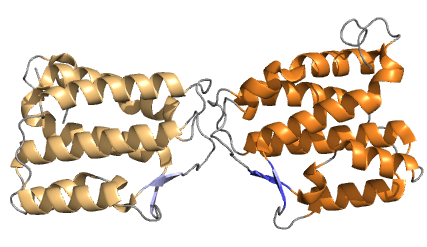
Interleukin-34 is a cytokine that has a similar function to CSF-1 and other growth factors focusing on proliferation. One main benefit of IL-34 is its versatility and wide range of applications, which made it a target for development into StemBeads and DISC devices. After a significant amount of effort and development by the StemCultures research and development team, StemCultures estimates that IL-34 beads will be ready for mass distribution within a year.
Prototype 2: VEGF
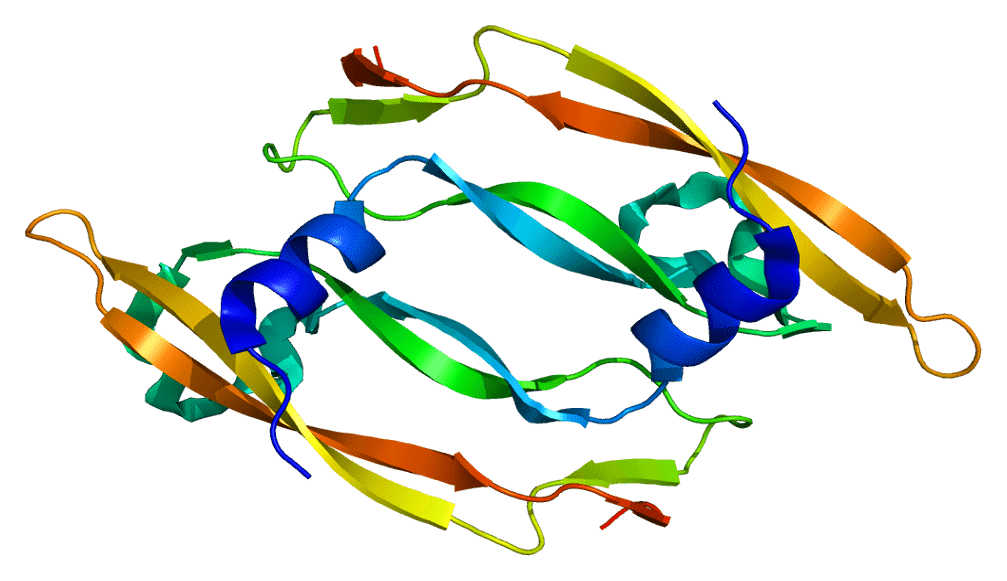
Vascular endothelial growth factor is not as widely used as IL-34, but still has significant uses as a strong angiogenic growth factor. Similar to PDGF, VEGF also plays a role in cell proliferation in addition to vascularization and angiogenesis. Due to these uses, VEGF is currently in the process of being tested and characterized. This will enable StemCultures to develop the ideal method for future VEGF StemBeads. These products are further out on the horizon, beyond the 18 month range but are aimed to be some of the next products developed.
Next Steps
StemCultures plans to continue to innovate and develop new controlled-release growth factors. Developing sustained-release growth factors will continue to be at the forefront of StemCultures research and development. Another current project is the continued development of DISC analogs for existing StemBeads, such as BDNF and GDNF. StemCultures is actively looking for researchers and labs interested in beta testing these and other products. Please reach out if you have any questions and are interested in helping bring these products to the public.
StemCultures would like to acknowledge the support of prior beta testers and the assistance from the Neural Stem Cell Institute. Without them, the development of these products would not be possible.
—
Note: Opinions and accounts expressed herein are those of the author(s) or interviewee(s). They may not reflect those of StemCultures, its officers, or directors.