
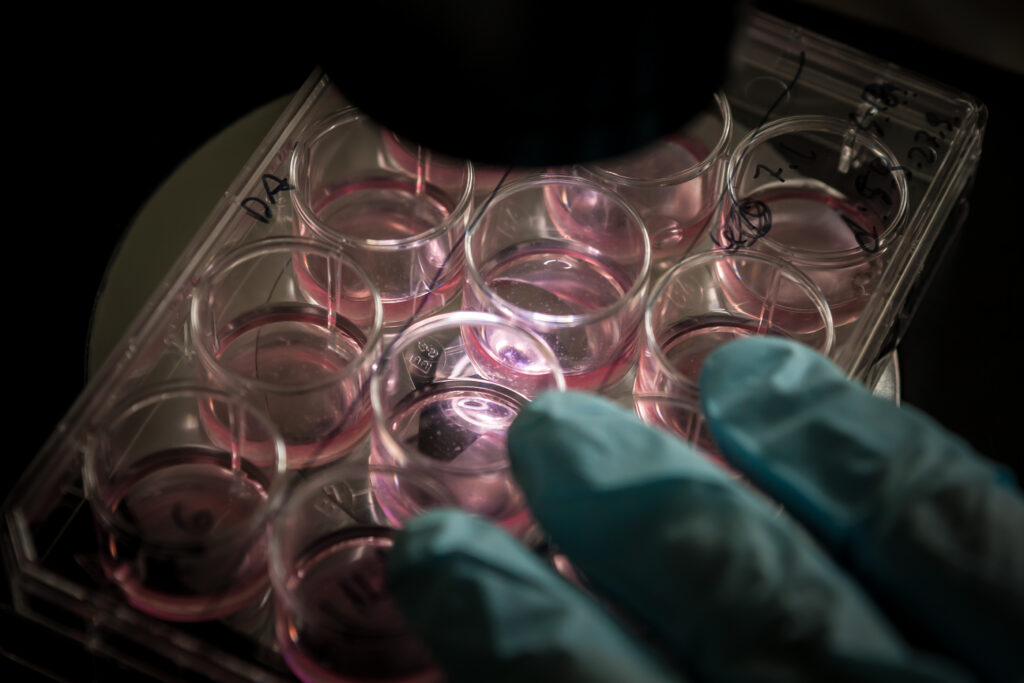
Growth factors are biologically active molecules that can affect the growth of cells. Nutrients are substances that provide nourishment that is essential for growth and the maintenance of life. All types of cells need basic nutrients and other media components, but different types of cells also have different needs. So, what are the growth factors and nutrients that you need?
As StemCultures explains in this in-depth article, there are four universal media components to maintain cell proliferation:
- Energy: sourced from carbohydrates or sugars and is required to sustain cellular metabolism.
- Essential metals and minerals: such as calcium, magnesium, iron, and other trace metals are required to regulate metabolic pathways and cellular processes.
- Buffering agents: phosphates, acetates, and citrates maintain pH level, neutralizing acidification arising from metabolic activity.
- Nutrients: composed of proteins (or their building blocks: peptides and amino acids) or growth factors necessary to maintain cellular pathways and signaling. This component of media varies based on cell type and can be tailored to fit a specific need. Details about a few main cell types and their required nutrients are outlined below.
There are also components, such as selective antimicrobial agents and gelling agents, that don’t directly affect cell culture practices but that do affect cell culture performance.
Different types of cell cultures have different needs. For example, fibroblast growth factor 2 (FGF2) growth factors cause the proliferation of induced pluripotent stem cells (iPSCs) as undifferentiated cells. For neuronal differentiation and proliferation, BDNF and GDNF are two critical growth factors. Their growth factor signaling maintains neuronal growth and guides the types of neurons that are generated.